
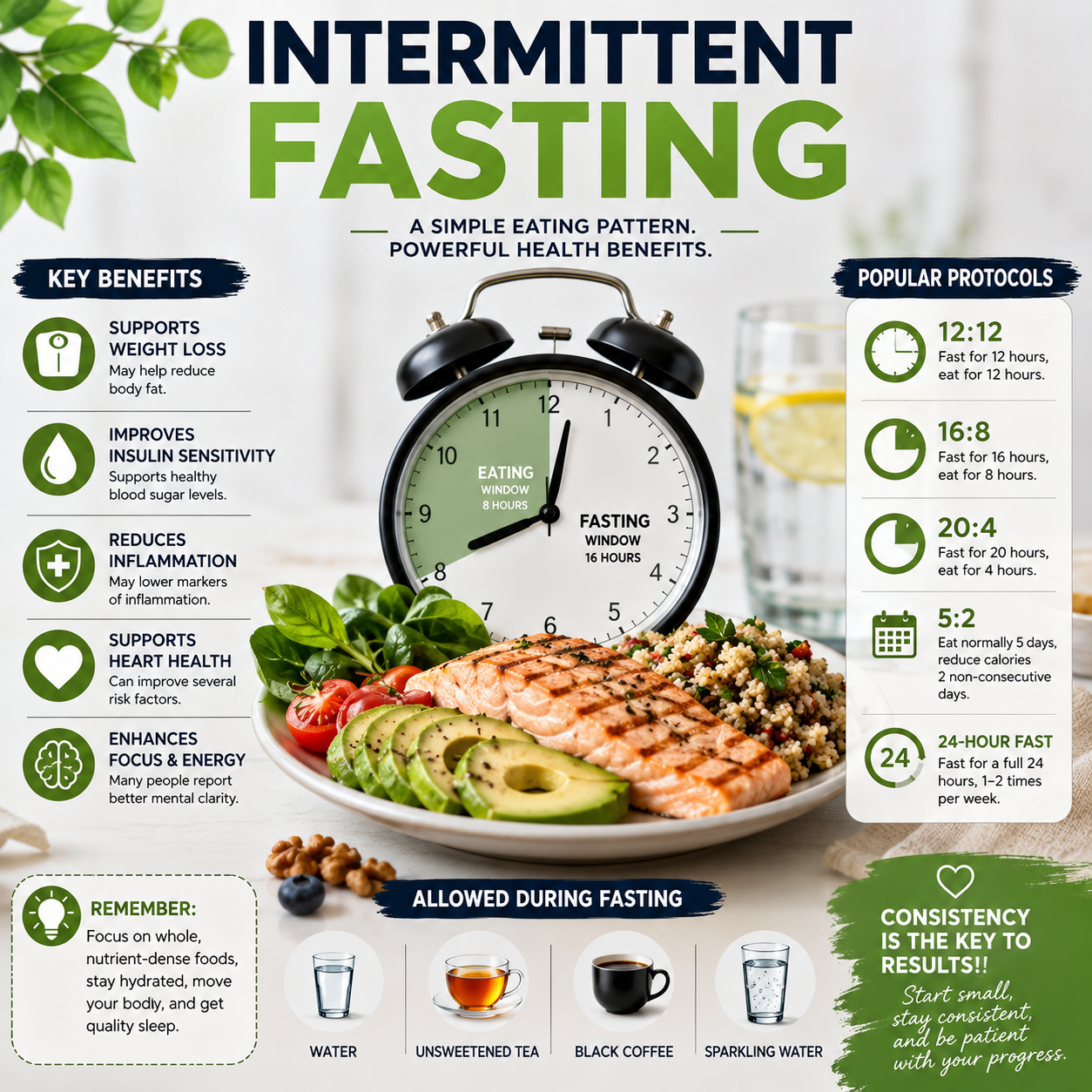
Intermittent Fasting: The Complete Guide to How It Works, Its Benefits, and How to Get Started
Introduction
Intermittent fasting has become one of the most widely searched eating strategies in recent years, attracting people who want to lose weight, improve their metabolic health, and adopt a healthier lifestyle. Unlike traditional diets, which primarily focus on what you eat, intermittent fasting emphasizes when you eat.
Over the past decade, a growing number of scientific studies have explored the effects of intermittent fasting on the human body, examining everything from weight management to blood sugar control, inflammation, and cardiovascular health. While many findings are promising, health experts agree that intermittent fasting is not suitable for everyone and should be practiced thoughtfully, taking individual needs and medical conditions into account.
One of the main reasons for its popularity is its flexibility. Rather than requiring highly restrictive meal plans, intermittent fasting simply organizes eating into specific time windows, making it easier for many people to maintain a consistent and sustainable routine.
In this comprehensive guide, inspired by the key concepts presented in the original ebook and expanded with evidence-based information, you’ll learn what intermittent fasting is, how it works, its potential health benefits, important precautions, the most common fasting protocols, and how to begin safely.
What Is Intermittent Fasting?
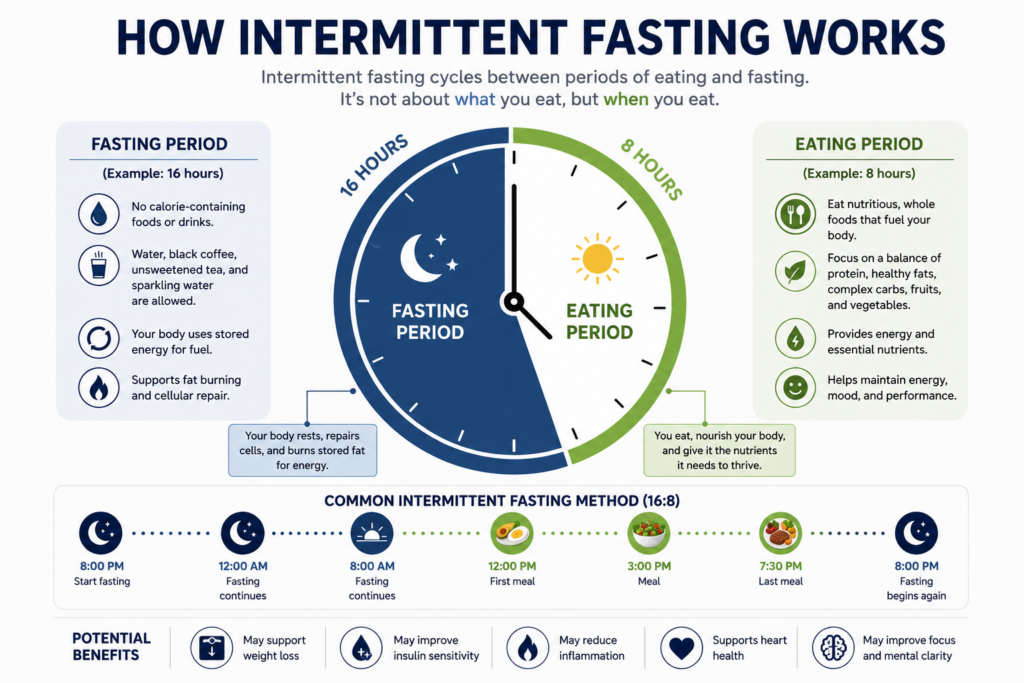
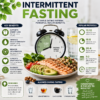
Intermittent fasting is an eating pattern that alternates between scheduled periods of eating and periods of fasting, during which no calorie-containing foods or beverages are consumed. Contrary to what many people believe, intermittent fasting doesn’t dictate what you should eat—it focuses on when you should eat.
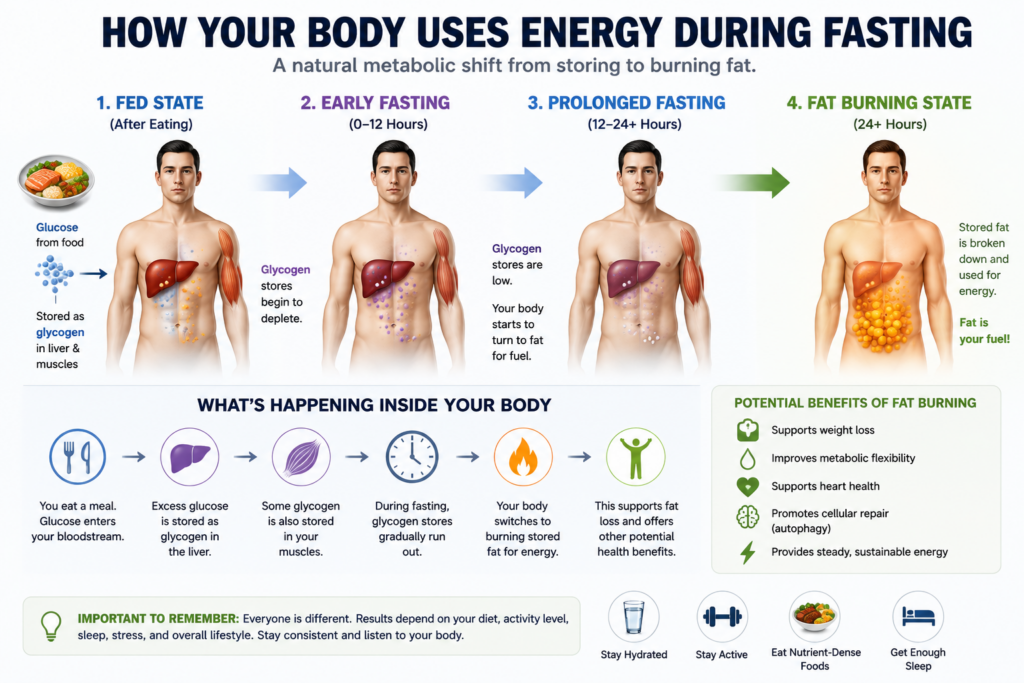
During a fasting period, your body gradually shifts the way it uses energy. It first relies on glycogen, the stored form of carbohydrates found in the liver and muscles. As these glycogen stores become depleted, the body increasingly turns to stored body fat as an energy source.
Because of this metabolic shift, intermittent fasting has become a widely researched strategy for people looking to improve body composition, reduce body fat percentage, and support positive metabolic adaptations.
It’s worth noting that fasting is far from a new concept. Throughout history, many cultures and religious traditions have practiced fasting for spiritual and cultural reasons. Only in recent decades has scientific research begun to examine its potential health effects, leading to significant growth in both research and public interest.
How Does Intermittent Fasting Work?
The basic concept is simple.
You establish a daily or weekly eating window and refrain from consuming calorie-containing foods during the remaining hours.
During the fasting period, the following beverages are generally allowed:
- Water
- Unsweetened tea
- Black coffee (without sugar or cream)
- Unsweetened sparkling water
These beverages help maintain hydration and typically do not break a fast because they contain little to no calories.
When your eating window begins, it’s important to prioritize nutritious, well-balanced meals. The success of intermittent fasting depends not only on the length of the fasting period but also on the quality of the foods consumed during the eating window.
Common Intermittent Fasting Protocols
There are several ways to practice intermittent fasting, allowing you to choose the approach that best fits your lifestyle and goals.
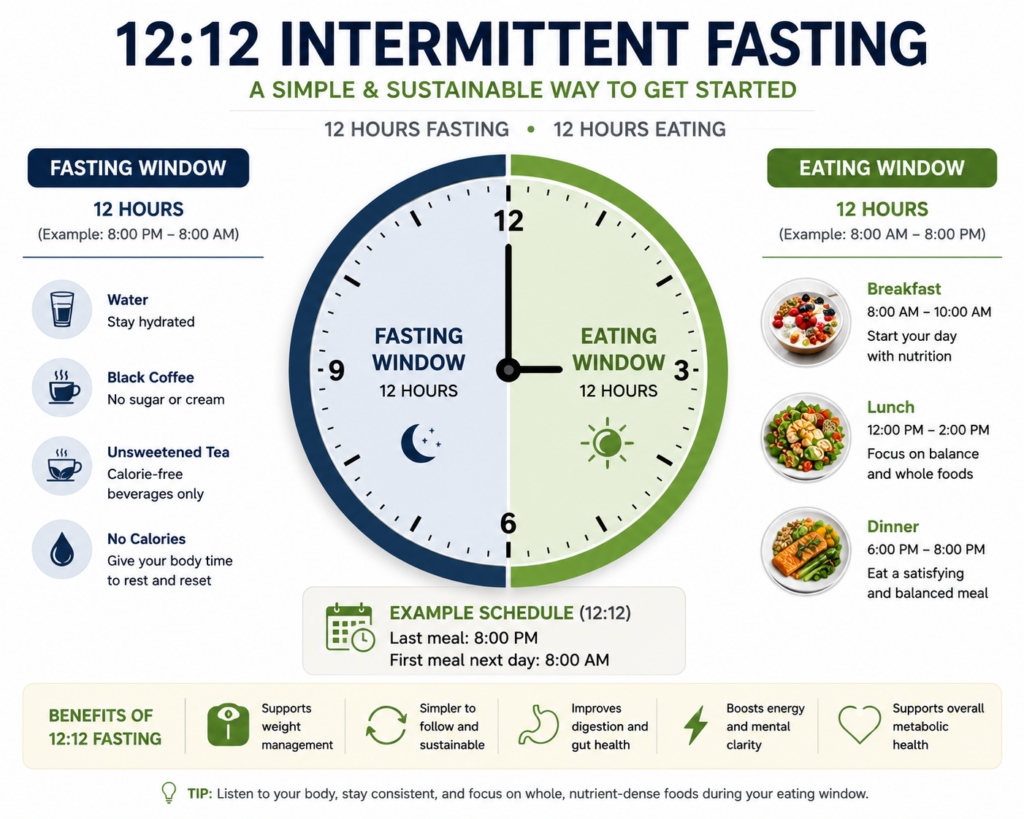
12:12 Method
This is considered the easiest protocol and an excellent starting point for beginners.
It involves fasting for 12 hours and eating during the remaining 12-hour window.
Because much of the fasting period occurs overnight while sleeping, many people find it easy to maintain.
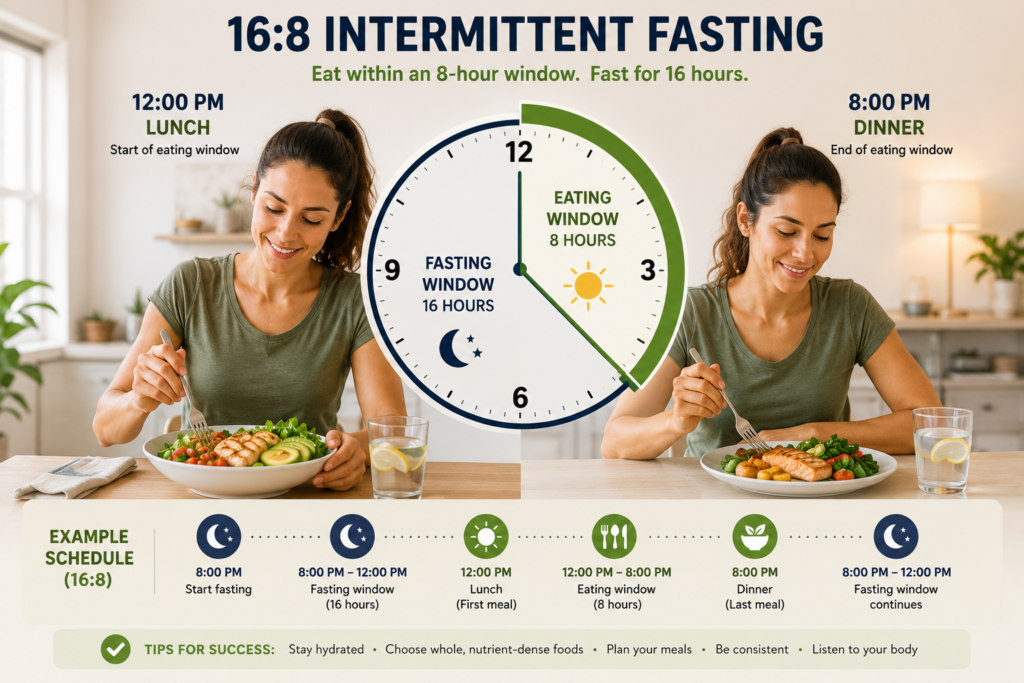
16:8 Method
The 16:8 protocol is by far the most popular form of intermittent fasting.
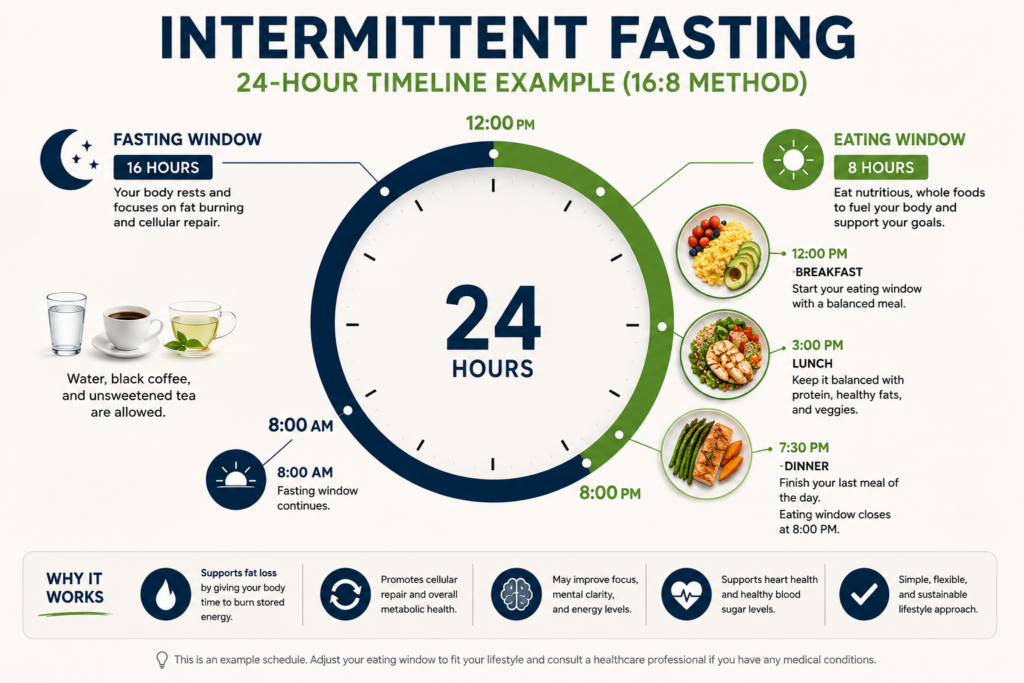
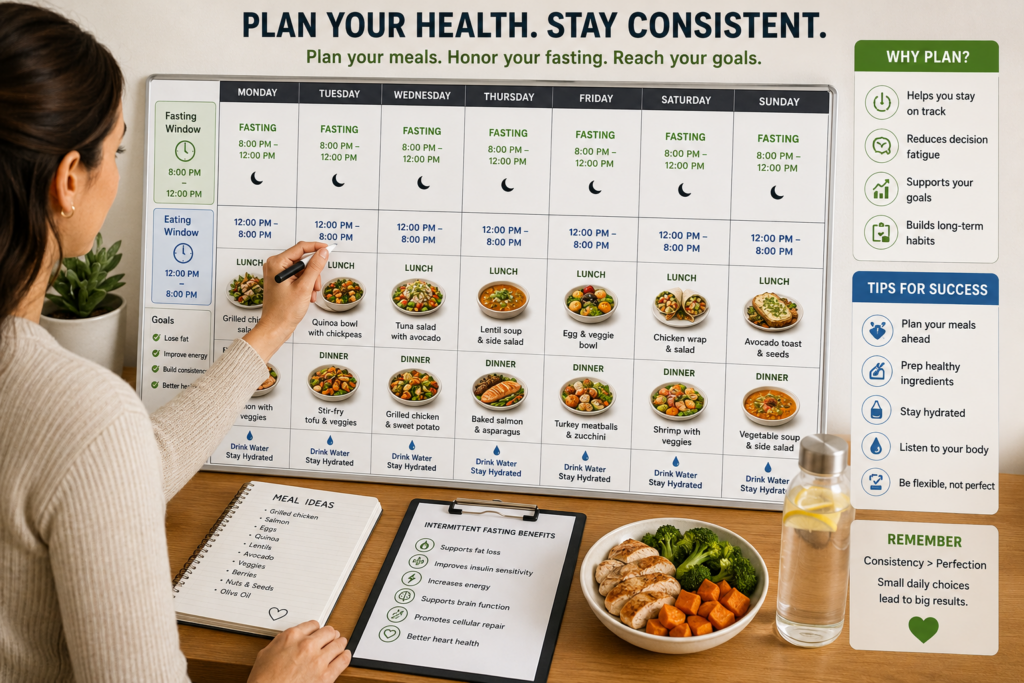
You eat during an eight-hour window and fast for the remaining 16 hours.
A common schedule is eating between 12:00 PM and 8:00 PM, followed by fasting until noon the next day.
Many people choose this approach because it offers flexibility while fitting naturally into their daily routine.
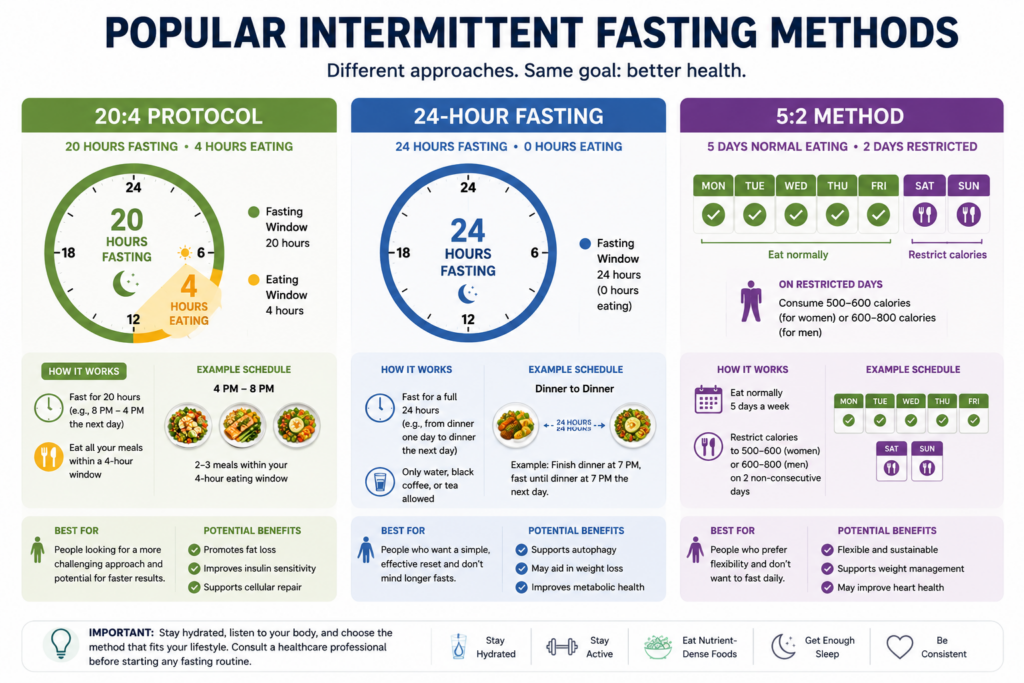
20:4 Method
Often referred to as the Warrior Diet, this protocol limits food intake to a four-hour eating window each day.
Because of its restrictive nature, it is generally considered an advanced fasting method and is not recommended for beginners.
24-Hour Fast
This approach involves fasting for a full 24 hours without consuming calorie-containing foods.
Some individuals practice a 24-hour fast once or twice per week, ideally under the supervision of a healthcare professional.
The 5:2 Method
With this protocol, you eat normally on five days of the week.
On the remaining two non-consecutive days, calorie intake is significantly reduced.
The 5:2 method is another well-known alternative for people who prefer not to follow a daily fasting schedule.
Why Has Intermittent Fasting Become So Popular?
Intermittent fasting’s popularity didn’t happen by chance.
Several factors have contributed to its widespread adoption, including:
- Its simplicity and ease of implementation
- Less need to constantly count calories
- Flexibility that fits different lifestyles
- Compatibility with various dietary patterns
- Positive results reported by many people when combined with healthy habits
Many individuals also report that intermittent fasting helps simplify meal planning and reduces the tendency to snack throughout the day.
However, it’s important to remember that results vary from person to person and depend on multiple factors, including diet quality, physical activity, sleep, stress levels, and overall health.

Potential Benefits of Intermittent Fasting
When practiced correctly and combined with a balanced diet, intermittent fasting may provide several health benefits that continue to be investigated by researchers.
Supports Weight Loss
By naturally shortening the daily eating window, many people end up consuming fewer calories throughout the day.
This can help create the calorie deficit necessary for weight loss.
Additionally, during longer fasting periods, the body gradually relies more on stored fat for energy, which may contribute to fat loss over time.
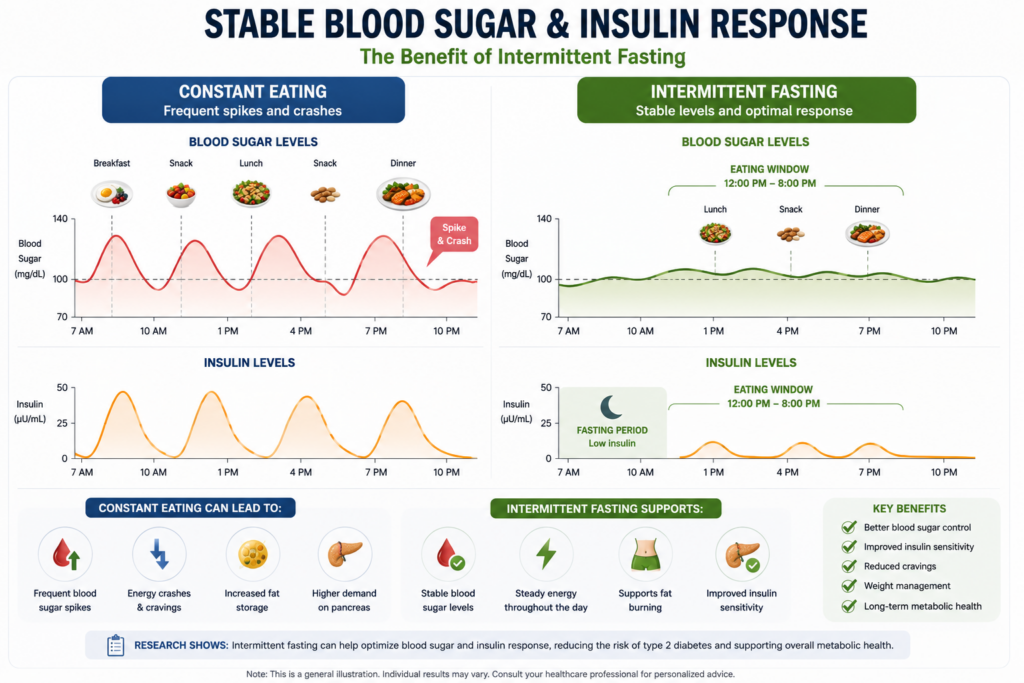
May Improve Insulin Sensitivity
Several studies suggest that intermittent fasting may improve the body’s sensitivity to insulin.
Better insulin sensitivity can help regulate blood sugar levels and support metabolic health, particularly when combined with an overall healthy lifestyle.
Individuals with diabetes or other metabolic conditions should always consult a healthcare provider before beginning any fasting protocol.
May Reduce Chronic Inflammation
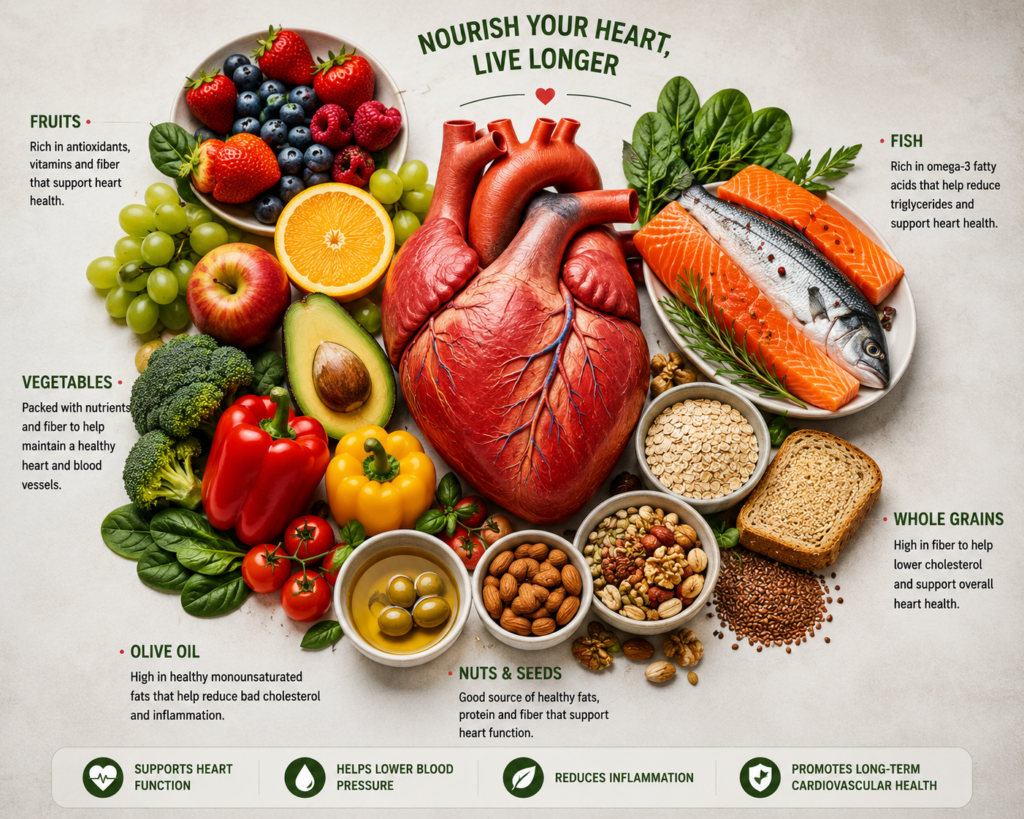
Research has shown that certain intermittent fasting protocols may reduce markers associated with chronic inflammation.
Since persistent inflammation has been linked to numerous chronic diseases, this potential benefit continues to attract significant scientific interest.
Supports Heart Health
Researchers are also investigating the effects of intermittent fasting on several cardiovascular risk factors, including:
- Triglyceride levels
- LDL (“bad”) cholesterol
- Blood pressure
- Overall metabolic health
Although the findings are encouraging, results remain mixed, and additional long-term studies are needed before firm conclusions can be drawn.

Increased Energy and Mental Clarity
Many people report feeling more focused, mentally alert, and energized while fasting.
Although these experiences are common, responses vary considerably from one individual to another, and more research is needed to fully understand these effects.
How to Practice Intermittent Fasting Safely
Although intermittent fasting is considered a relatively simple eating strategy, achieving the best results requires planning, consistency, and smart food choices. Many people assume that simply going several hours without eating will automatically lead to rapid weight loss, but that misconception can result in poor outcomes and even compromise overall health.
The best approach is to start gradually, allowing your body to adapt naturally to your new eating schedule. This gradual transition is generally more comfortable and increases the likelihood of maintaining the habit over the long term.
Choose the Right Fasting Protocol
There are several intermittent fasting methods, each with its own advantages. The ideal protocol depends on your daily routine, health status, personal goals, and how easily you adapt to fasting.
12-Hour Fast
This is considered the best option for beginners.
Example:
- Last meal: 8:00 PM
- First meal the following day: 8:00 AM
Since most of the fasting period occurs while you’re sleeping, this method is typically the easiest to maintain.
16:8 Method
The 16:8 schedule remains the most popular intermittent fasting protocol.
Example:
- Eat between 12:00 PM and 8:00 PM
- Fast from 8:00 PM until 12:00 PM the next day
This approach offers excellent flexibility and is commonly used by individuals seeking to reduce body fat while maintaining a manageable routine.
The 5:2 Method
With this approach, you eat normally on five days of the week.
On the remaining two non-consecutive days, calorie intake is significantly reduced, ideally under the guidance of a healthcare professional.
The 5:2 method is often chosen by people who prefer not to fast every day.
What Should You Eat During Your Eating Window?
One of the biggest misconceptions about intermittent fasting is that you can eat anything you want once your fasting period ends.
In reality, the quality of your diet remains one of the most important factors for achieving lasting results.
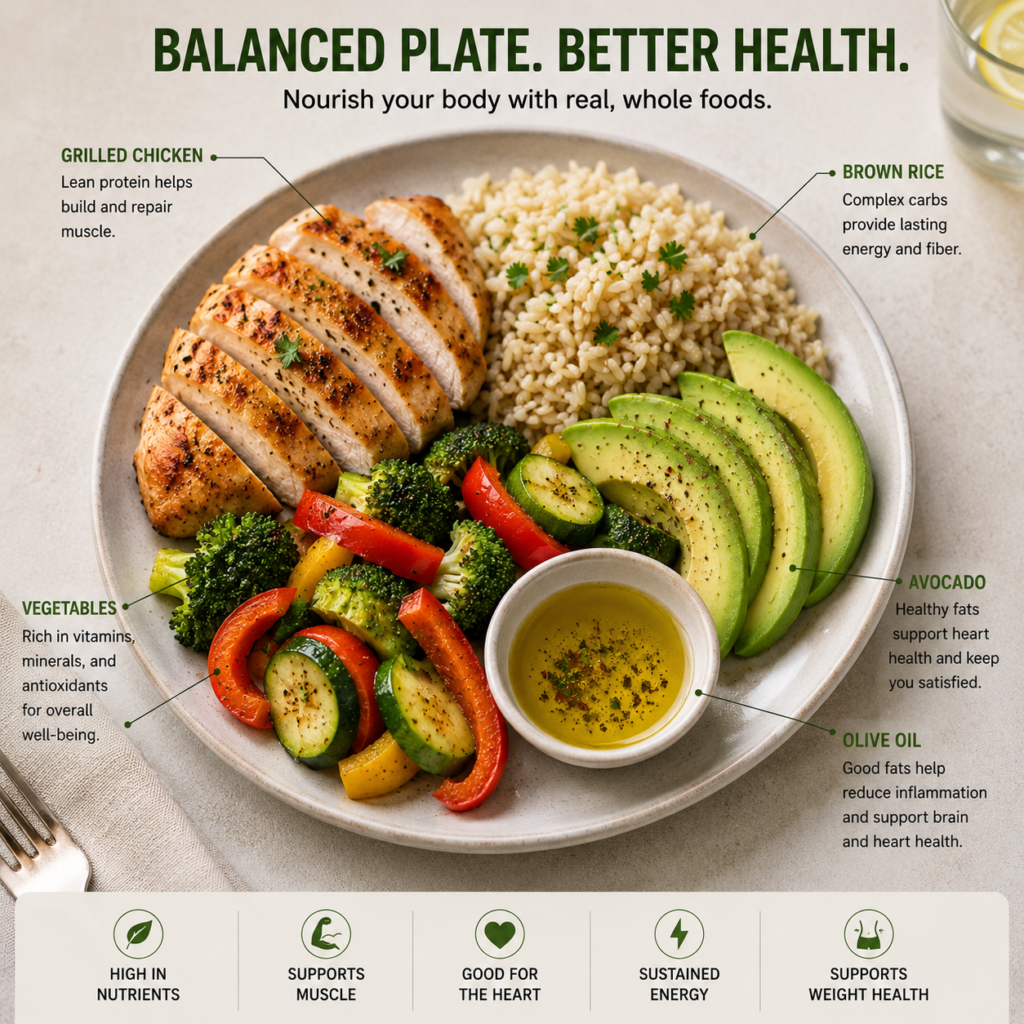
A balanced meal should include:
- Lean protein
- Plenty of vegetables
- Fresh fruit
- Whole grains
- Healthy fats
- Fiber-rich foods
Excellent food choices include:
- Eggs
- Chicken
- Fish
- Lean cuts of beef or pork
- Brown rice
- Beans
- Oats
- Sweet potatoes
- Extra virgin olive oil
- Nuts
- Avocados
- Leafy greens
- Colorful vegetables
These foods help increase satiety, provide essential nutrients, support muscle maintenance, and promote overall health.
Foods to Limit
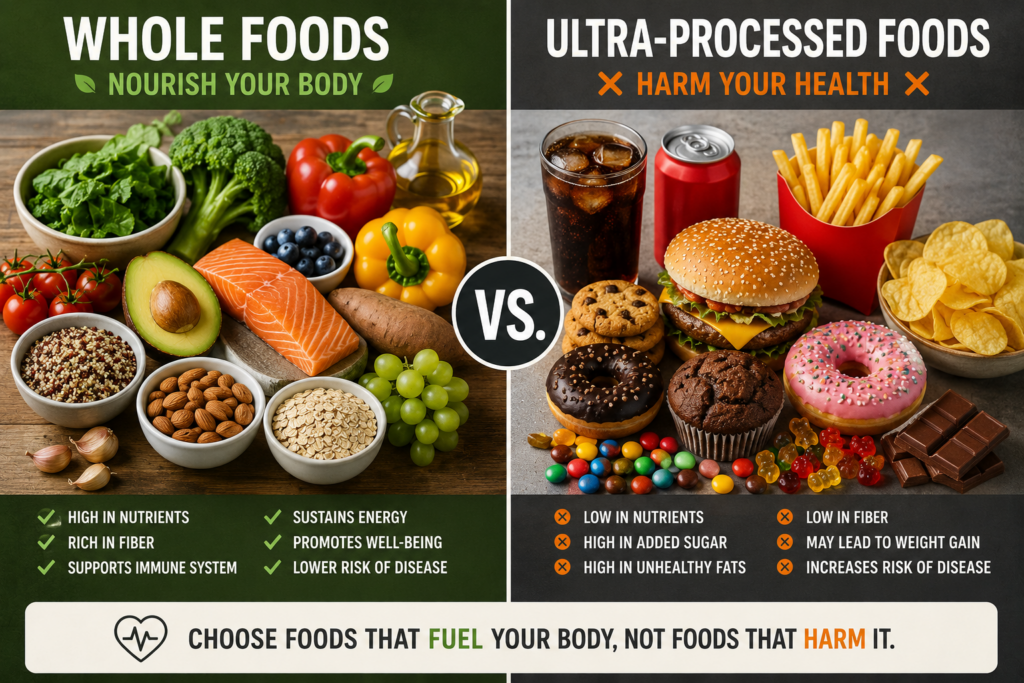
Even during your eating window, some foods should be consumed only occasionally.
These include:
- Sugar-sweetened soft drinks
- Candy and desserts
- Commercial baked goods
- Potato chips and packaged snacks
- Processed meats
- Deep-fried foods
- Excessive alcohol
Overconsumption of these products can make weight management more difficult and reduce many of the potential health benefits associated with intermittent fasting.
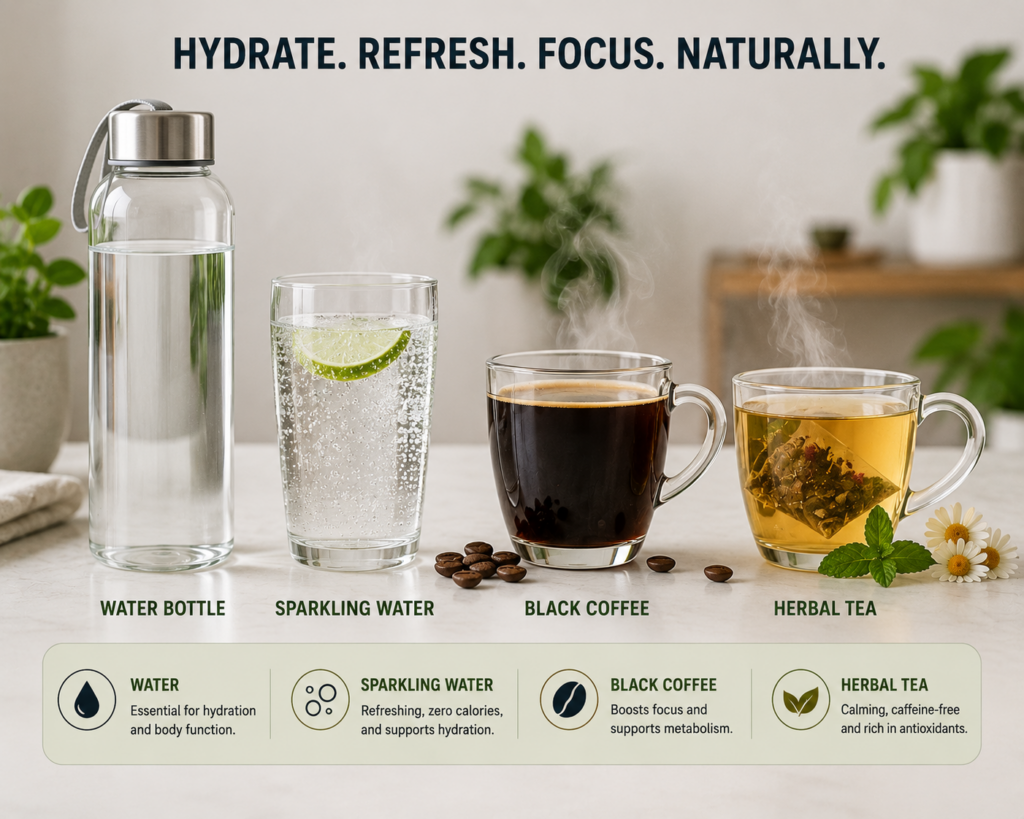
The Importance of Staying Hydrated
Hydration is one of the most overlooked aspects of intermittent fasting.
Many people mistake thirst for hunger.
Throughout your fasting period, it’s important to drink plenty of fluids.
The best options include:
- Water
- Unsweetened sparkling water
- Unsweetened tea
- Black coffee (without sugar or cream)
In addition to preventing dehydration, these beverages can help make fasting more comfortable.

How to Break a Fast Properly
Another common mistake is overeating immediately after a fast.
After going several hours without food, some people consume large amounts of food very quickly.
Instead, aim to break your fast with a balanced meal that includes:
- Lean protein
- Vegetables
- Complex carbohydrates
- Healthy fats
This approach allows your digestive system to adjust comfortably while helping stabilize energy levels.
Who Can Practice Intermittent Fasting?
Intermittent fasting is considered safe for many healthy adults.
People who are generally healthy can often follow moderate fasting protocols successfully, especially when combined with a nutritious diet and healthy lifestyle.
However, every person is unique.
Individual health status, medications, nutritional needs, and lifestyle factors should always be considered before starting any fasting program.
When in doubt, consulting a healthcare professional is the safest approach.

Who Should Avoid Intermittent Fasting?
Intermittent fasting is not recommended for everyone.
The following groups should seek medical advice before considering this eating pattern—or avoid it altogether unless specifically supervised by a healthcare provider:
- Pregnant women
- Breastfeeding mothers
- Children
- Teenagers who are still growing
- People with a history of eating disorders
- Individuals who are underweight
- People with certain chronic medical conditions that require specialized nutritional care
Anyone taking medications for diabetes or dealing with significant blood sugar fluctuations should speak with their physician before beginning any intermittent fasting protocol.
What Does the Science Say About Intermittent Fasting?
Scientific interest in intermittent fasting has grown significantly over the past two decades.
Researchers continue to investigate its potential effects on:
- Body composition
- Metabolism
- Blood sugar regulation
- Cholesterol levels
- Cardiovascular health
- Brain function
- Healthy aging
Current evidence suggests that intermittent fasting can be an effective strategy for certain individuals, particularly when combined with a balanced diet, regular physical activity, adequate sleep, and other healthy lifestyle habits.
However, researchers also emphasize that many of the observed benefits may result more from improved diet quality and an overall reduction in calorie intake than from the timing of meals alone.
In addition, there are still important limitations in the available research, especially regarding the long-term effects of intermittent fasting.
For this reason, leading health organizations recommend viewing intermittent fasting as one of many nutritional tools—not as a universal solution for weight loss or disease prevention.
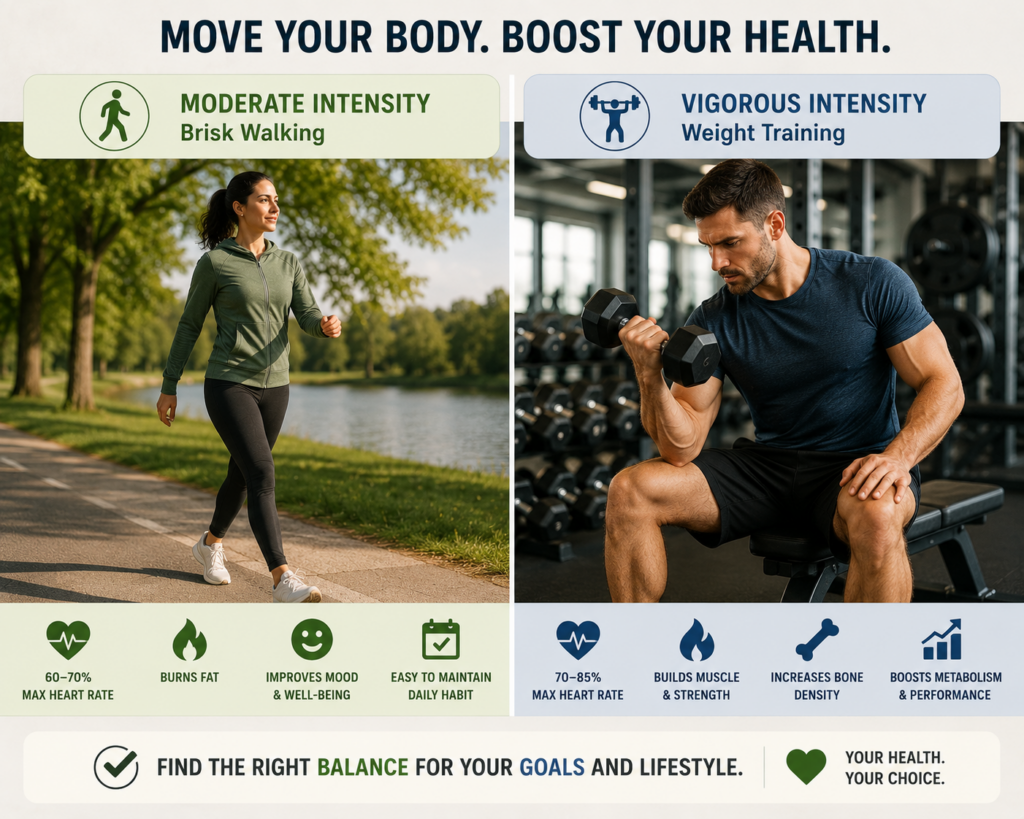
Intermittent Fasting and Exercise
One of the most common questions is whether it’s safe to exercise while fasting.
The answer depends on several individual factors, including your fitness level, the type of exercise you perform, and how well your body adapts to fasting.
Some people perform exceptionally well while exercising in a fasted state.
Others may experience:
- Reduced performance
- Dizziness
- Weakness
- Fatigue
- General discomfort
Lower-intensity activities such as walking, stretching, yoga, and light cycling are generally well tolerated during fasting.
More demanding workouts—including resistance training, long-distance running, and high-intensity interval training (HIIT)—may require individualized meal planning to ensure adequate energy availability and proper recovery.
If you regularly participate in strength training or endurance sports, working with a registered dietitian or sports nutrition professional can help optimize your nutrition strategy.
How to Maximize Your Results
Intermittent fasting works best when it’s part of an overall healthy lifestyle rather than a stand-alone solution.
The following habits can significantly improve your results:
- Sleep 7–9 hours each night.
- Exercise consistently.
- Stay well hydrated.
- Manage stress effectively.
- Eat enough high-quality protein.
- Fill your plate with vegetables and fruits.
- Limit ultra-processed foods.
- Pay attention to your body’s hunger and fullness cues.
These lifestyle factors often have a greater impact on long-term health than simply extending your fasting window.
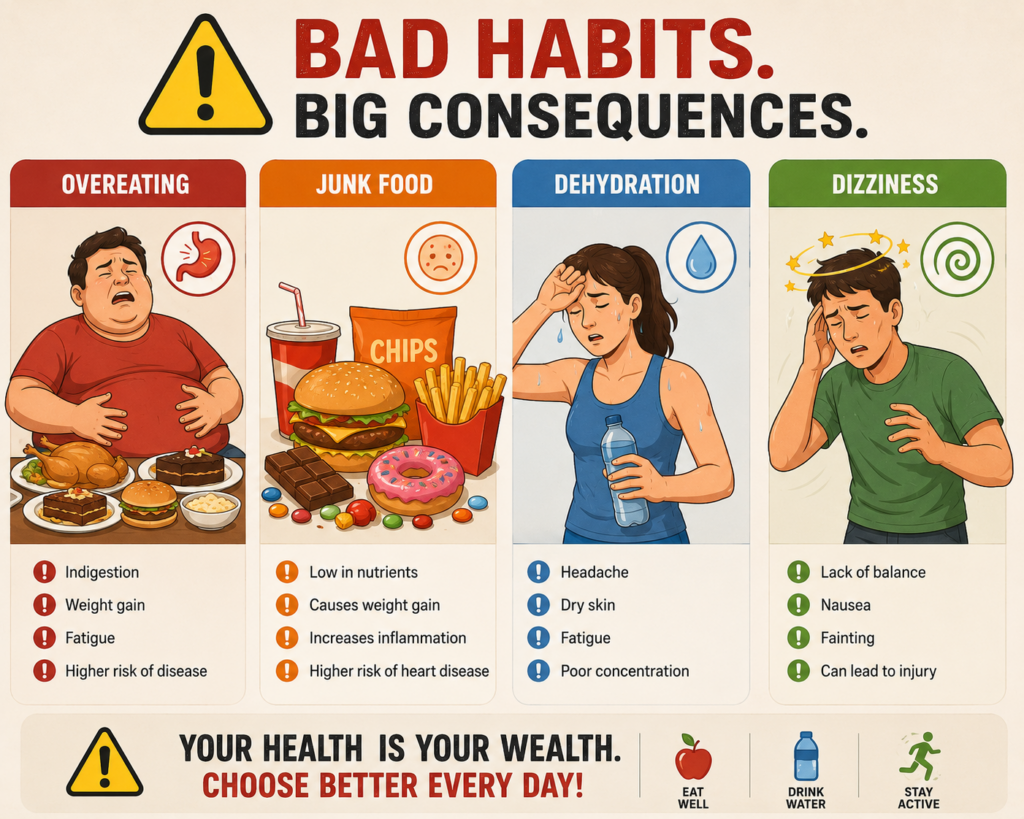
Common Mistakes to Avoid
Although intermittent fasting is relatively straightforward, certain mistakes can reduce its effectiveness or lead to unnecessary discomfort.
Understanding these common pitfalls can help you practice fasting safely and sustainably.
Overeating After Breaking Your Fast
One of the most common mistakes is assuming that you can eat unlimited amounts of food after fasting for several hours.
In reality, overeating can eliminate the calorie deficit needed for weight loss and may cause digestive discomfort, bloating, and fatigue.
Instead, break your fast with a balanced meal containing lean protein, fiber-rich vegetables, complex carbohydrates, and healthy fats.
Eating Too Many Ultra-Processed Foods
Another frequent mistake is focusing only on the fasting schedule while ignoring food quality.
Even if you’re following an intermittent fasting routine, a diet centered around sugary drinks, desserts, fast food, processed meats, and highly processed snacks is unlikely to support good health or sustainable weight management.
Nutritious food choices remain the foundation of any healthy eating plan.
Not Drinking Enough Water
Proper hydration is essential.
Many people unintentionally reduce their fluid intake while fasting, increasing the likelihood of symptoms such as:
- Headaches
- Fatigue
- Difficulty concentrating
- Dizziness
Drinking enough water throughout the day supports normal body functions and makes fasting easier to tolerate.
Starting With an Advanced Fasting Schedule
Jumping directly into extended fasts can make the adjustment unnecessarily difficult.
Protocols such as 20:4 or 24-hour fasts are generally better suited for experienced individuals and are often unnecessary for achieving positive results.
For most beginners, starting with a 12:12 or 14:10 schedule allows the body to adapt more comfortably.
Ignoring Your Body’s Signals
Intermittent fasting should not result in ongoing physical distress.
If you experience persistent symptoms such as severe weakness, fainting, frequent dizziness, shaking, or significant discomfort, stop fasting and consult a healthcare professional.
Every body responds differently, and listening to those signals is essential for your health and safety.
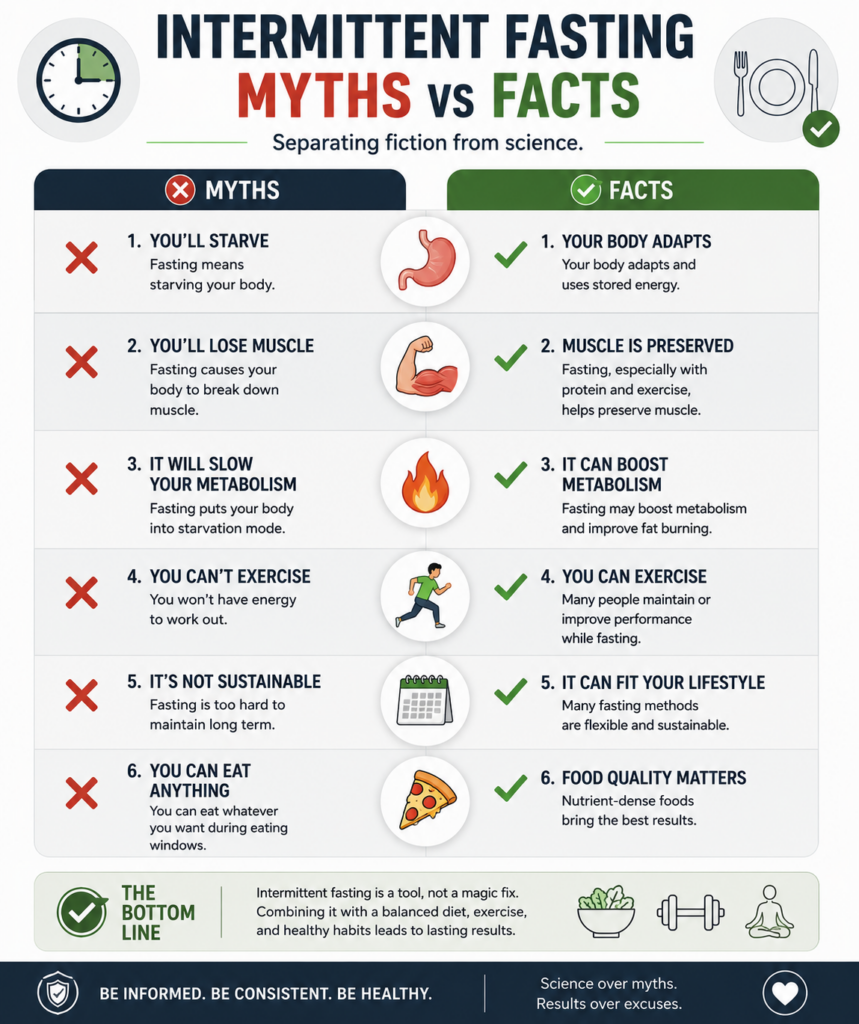
Intermittent Fasting: Myths and Facts
As intermittent fasting has become more popular, misinformation has spread rapidly across social media.
Understanding the facts can help you make informed decisions.
Myth: Intermittent fasting automatically causes muscle loss.
Fact: When protein intake is adequate and resistance training is part of your routine, muscle loss can be minimized.
Myth: The longer you fast, the better your results.
Fact: Longer fasts do not necessarily produce greater weight loss. Moderate fasting schedules are often easier to maintain and can provide similar benefits.
Myth: You can’t drink anything while fasting.
Fact: Water, black coffee, unsweetened tea, and other calorie-free beverages are generally allowed during fasting periods.
Myth: Intermittent fasting works for everyone.
Fact: There is no one-size-fits-all eating strategy. While intermittent fasting can be beneficial for many people, it isn’t appropriate for every individual.
Myth: Intermittent fasting replaces a healthy diet.
Fact: Diet quality remains one of the most important factors for achieving good health and sustainable weight management.
Is Intermittent Fasting Worth Trying?
The answer depends on your personal goals, food preferences, lifestyle, and overall health.
For some people, intermittent fasting offers a practical way to organize meal times, reduce unnecessary snacking, and naturally decrease calorie intake.
For others, going long periods without eating may be difficult or simply not enjoyable.
There is no single eating pattern that works for everyone.
The best nutrition plan is one that you can maintain consistently while meeting your nutritional needs, supporting your health, and fitting comfortably into your lifestyle.
When practiced responsibly and combined with healthy habits, intermittent fasting can be a valuable part of a balanced approach to wellness.

Conclusion
Intermittent fasting has evolved from a popular trend into a well-researched nutritional strategy.
Although scientists continue to study its long-term effects, current evidence suggests that intermittent fasting may provide meaningful health benefits for some individuals when incorporated into an overall healthy lifestyle.
As discussed throughout this guide, intermittent fasting involves much more than simply skipping meals.
Its success depends on nutritious food choices, proper hydration, regular exercise, adequate sleep, stress management, and respect for your body’s individual needs.
It’s also important to recognize that intermittent fasting is not a miracle solution.
No eating strategy can replace the long-term benefits of healthy habits practiced consistently over time.
If you’re considering trying intermittent fasting, start gradually and consult a qualified healthcare provider or registered dietitian—especially if you have an existing medical condition or take prescription medications.
With reliable information, thoughtful planning, and realistic expectations, intermittent fasting can become a useful tool for supporting long-term health and overall well-being.
Frequently Asked Questions (FAQ)
Does intermittent fasting really help with weight loss?
Yes. Intermittent fasting may support weight loss by making it easier to reduce overall calorie intake and improve certain aspects of metabolic health. However, long-term success depends primarily on maintaining a balanced diet and a sustainable calorie intake.
Can I drink coffee while fasting?
Yes. Plain black coffee without sugar, milk, cream, or other calorie-containing additives is generally considered acceptable during a fasting period.
Who should avoid intermittent fasting?
Pregnant women, breastfeeding mothers, children, teenagers who are still growing, people with eating disorders, individuals who are underweight, and those with certain medical conditions should consult a healthcare professional before starting intermittent fasting.
What is the best fasting schedule for beginners?
A 12-hour fasting schedule (12:12) is generally recommended for beginners because it is easier to follow and allows the body to adapt gradually.
Can I exercise while fasting?
Yes. Many people tolerate light to moderate exercise well while fasting. More intense training may require adjustments to meal timing and nutritional intake to maintain performance and recovery.
Does intermittent fasting replace healthy eating?
No. The quality of your diet remains essential. Intermittent fasting is most effective when combined with nutritious food choices, regular physical activity, adequate sleep, and other healthy lifestyle habits.
About author



Add comment